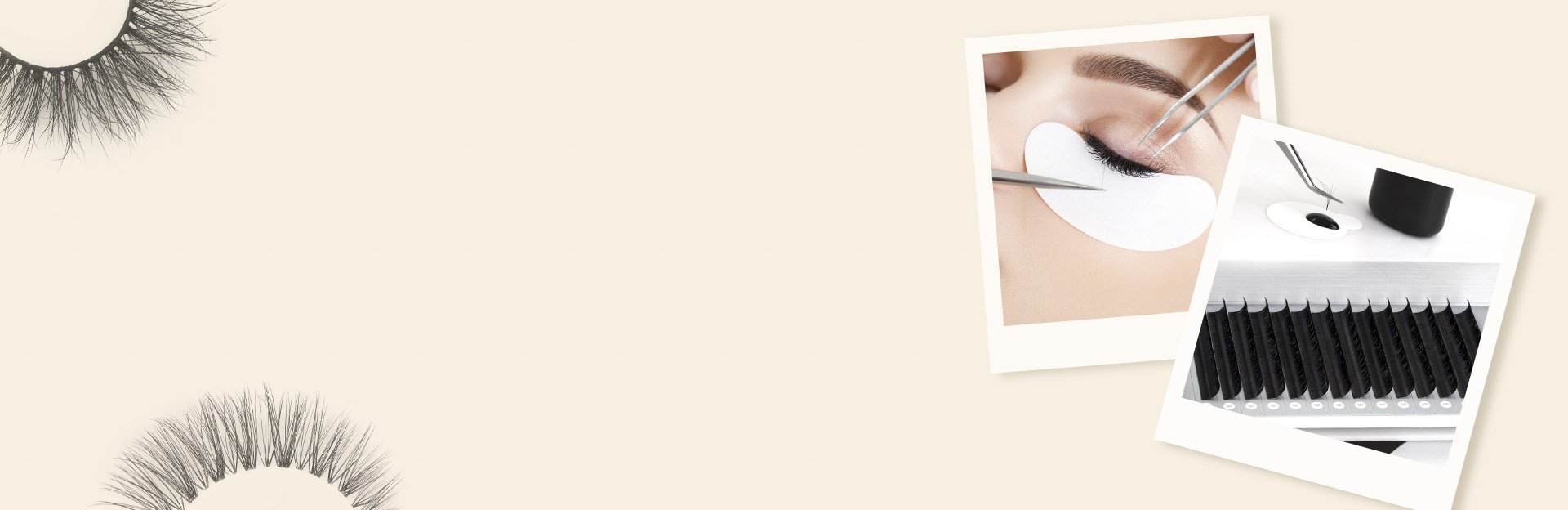
Classic lashes are one of the most established types of professional eyelash extensions. They are commonly associated with natural-looking results, but the term “classic lashes” has different meanings depending on whether it refers to lash extension products or professional application techniques.
In the lash extension industry, classic lashes typically describe individual lash fibers with a traditional round cross-section, commonly available in diameters of 0.10 mm and above. For lash artists and clients, the term more often refers to the one-to-one (1:1) application technique, where one extension is applied to one natural lash.
Understanding this distinction helps explain how classic lash products are used, what styles they can create, and how they differ from other lash extension types.
Classic lashes can refer to both a category of individual lash extension products and a professional eyelash extension technique.
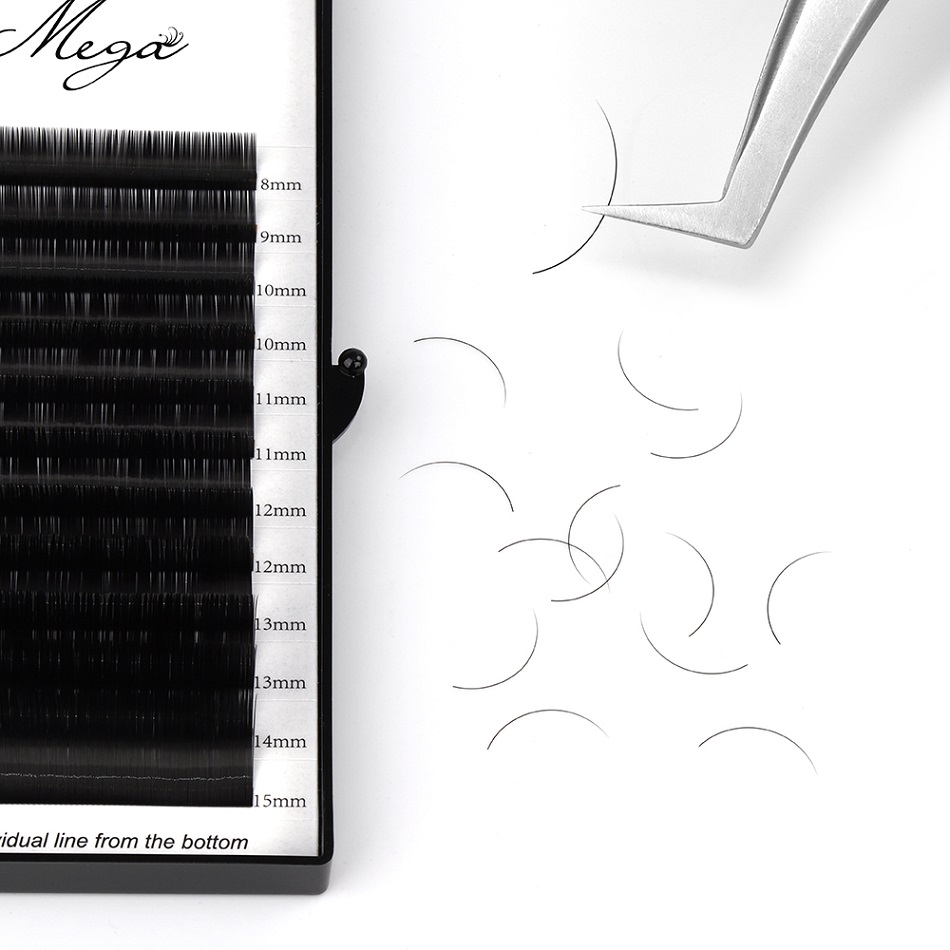
In lash extension products, classic lashes generally refer to traditional, round-shaped individual extensions. These lashes are commonly offered in diameters such as 0.10 mm, 0.12 mm, 0.15 mm, 0.18 mm, and 0.20 mm. They are designed primarily for individual lash application and are widely used to create classic lash sets.
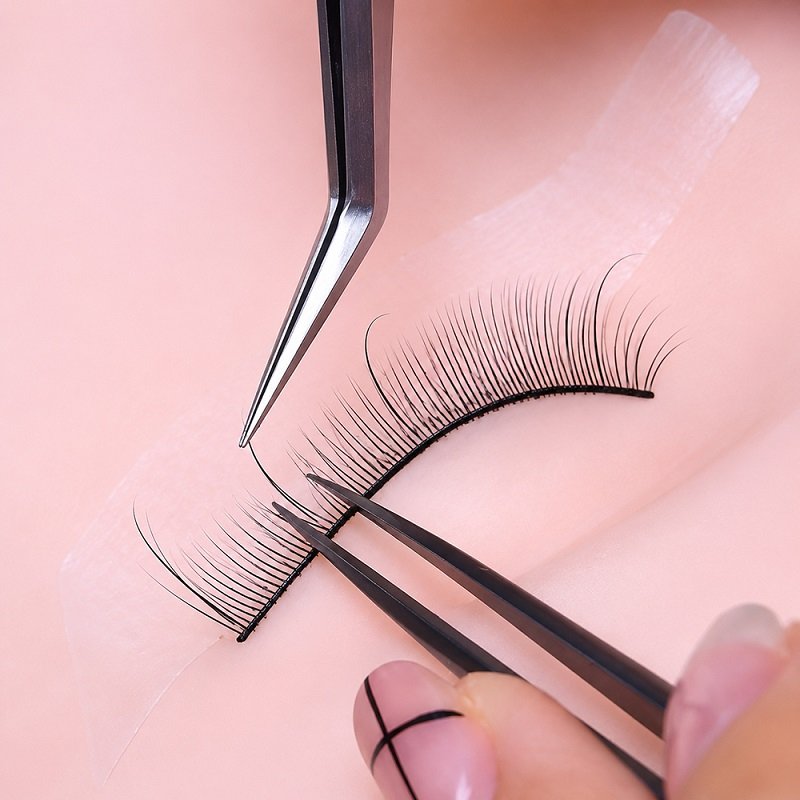
In professional lash services, classic lash extensions refer to the 1:1 application technique. A lash artist attaches one individual extension to one suitable natural eyelash, creating additional length, curl, and definition without adding multiple extension fibers to the same natural lash.
This distinction is important because the product category and the application technique are related but not identical.
Traditional round lash extensions are commonly used for classic sets, but they are not the only products suitable for one-to-one application. Flat lash extensions, which have a different fiber cross-section, can also be applied individually to create a classic lash set.
In other words, the term classic lash product usually describes a particular type of extension fiber, while classic lash set describes the application method and finished result.
Classic lash extensions are primarily used for professional one-to-one lash applications. Rather than increasing the number of extension fibers attached to each natural lash, this technique enhances the existing lash line through additional length, curl, color, and definition.
The final result depends partly on the client's natural lashes. Someone with a naturally dense lash line may achieve a fuller-looking classic set, while someone with fewer natural lashes may see a lighter result, even when both receive the same application technique.
The choice of extension diameter also affects the finished appearance. Finer individual extensions can create a softer result, while thicker fibers may provide stronger definition when they are appropriate for the natural lashes.
Classic sets are often associated with subtle, natural-looking enhancements, but they can also produce more noticeable results resembling the appearance of mascara.
The technique has limitations, however. Because only one extension is applied to each suitable natural lash, it cannot increase fiber count in the same way as volume applications. Clients seeking substantially greater density may prefer hybrid or volume lash sets.
Classic lash extensions can therefore create a range of looks, but the achievable result depends on both product selection and the client's natural lash characteristics.
Classic lash extensions are not limited to one fixed style. Although the application technique remains 1:1, lash artists can create different appearances by adjusting the length distribution, curl, diameter, and overall styling design.
Classic lash styling can be understood through two main elements: lash mapping and the finished lash look.
Lash mapping determines how different lash lengths and curls are distributed across the eye. Common mapping styles include:
Natural Eye: Uses a balanced length distribution that follows the general shape of the natural lash line, producing a soft and proportionate appearance.
Cat Eye: Places relatively longer extensions toward the outer sections of the eye to create a more elongated appearance.
Doll Eye / Open Eye: Emphasizes length around the central eye area to create a more open, rounded appearance.
Squirrel Eye: Positions the longest section toward the outer portion of the eye, generally before the outermost corner, creating a lifted, elongated effect.
These mapping styles are not exclusive to classic lashes. The same general styling principles can also be adapted to other lash extension techniques.
Beyond mapping, classic lash sets can vary in their overall visual definition.
A Natural Classic Look uses relatively subtle length, curl, and diameter choices to enhance the natural lash line without making the extensions overly prominent.
A Mascara Look creates stronger lash definition, often using more noticeable individual fibers and a darker, more defined appearance. It aims to resemble the effect of mascara while maintaining the individual extension structure of a classic set.
These looks can be combined with different mappings. For example, a classic cat-eye set may have a soft natural finish or a more defined mascara-like appearance.
The result depends on the selected lash specifications and the density and condition of the natural lashes.
For a broader overview of lash mapping and styling variations, explore our Guide to Different Lash Extension Styles.
The classic sets described above are commonly created using traditional round individual lash extensions. As a product category, these lashes are primarily recognized by their single-fiber structure, round cross-section, and commonly used diameter range.
These characteristics help distinguish traditional classic lash products from other professional lash extension supplies, although the application technique ultimately determines whether a finished set is classified as classic.
Conventional classic lash extensions feature individual synthetic fibers with a generally round cross-section. Each fiber is formed with a tapered tip and a consistent curl profile, allowing lash artists to create defined, individual lash extensions.
Unlike premade volume fans, which contain multiple fibers arranged together, a traditional classic lash extension consists of a single lash fiber.
The round fiber structure is one of the defining characteristics of traditional classic lash products. However, a round cross-section alone does not determine whether a finished lash set is classified as classic. The application method remains the deciding factor.
One of the most recognizable characteristics of classic lash products is their diameter range.
In professional lash extension product catalogs, traditional classic lashes commonly start at 0.10 mm and include thicker options such as 0.12 mm, 0.15 mm, 0.18 mm, and 0.20 mm. These are common industry specifications rather than a universal classification standard.
Compared with the finer fibers frequently used to construct volume fans, these diameters can provide more visible definition from an individual extension. This makes them suitable for the 1:1 application approach, where the appearance of each applied fiber contributes directly to the finished lash set.
For example, a 0.10 mm classic extension can create a relatively fine, subtle appearance, while a 0.15 mm extension generally produces a more noticeable lash line when other factors are comparable. Thicker diameters can create stronger definition, but they also increase fiber weight when material, length, and structure remain the same.
The appropriate diameter therefore depends on the condition and capacity of the natural lashes, as well as the desired appearance. A thicker extension is not automatically a better choice for a classic set.
It is also important to distinguish product specifications from application rules. Although 0.10 mm and above is a common classic product range, the 1:1 technique itself does not require a particular minimum fiber diameter.
For a more detailed explanation of diameter selection and its relationship to fiber weight, see our Eyelash Extension Thickness Guide.
Most modern classic lash extensions are manufactured from synthetic fibers, with PBT (polybutylene terephthalate) commonly used in professional lash products.
Classic extension collections may include products marketed as Silk, Faux Mink, or Cashmere lashes. These names often describe a manufacturer's product series, texture, finish, or positioning rather than indicating entirely different base materials. The actual fiber composition and characteristics depend on the specific product.
Classic lash extensions are also available in different lengths and curls. These specifications allow lash artists to adapt the extensions to different natural lash characteristics, eye shapes, and styling goals.
However, length, curl, and product series names do not independently define whether a lash extension is classic. The traditional product category is more closely associated with its individual round-fiber structure and common diameter range.
Yes. Flat lash extensions can be used to create classic lash sets when applied using the 1:1 technique.
The main distinction between traditional classic lashes and flat lashes lies in their fiber cross-section.
Conventional classic lashes generally have a round profile, whereas flat lashes feature a flattened or elliptical profile, depending on the product design.
This structural difference can influence the fiber's weight, contact profile, and visual appearance. Flat lashes may produce a more pronounced appearance at certain nominal thicknesses while using less material than a comparable round fiber, although the actual difference depends on the design.
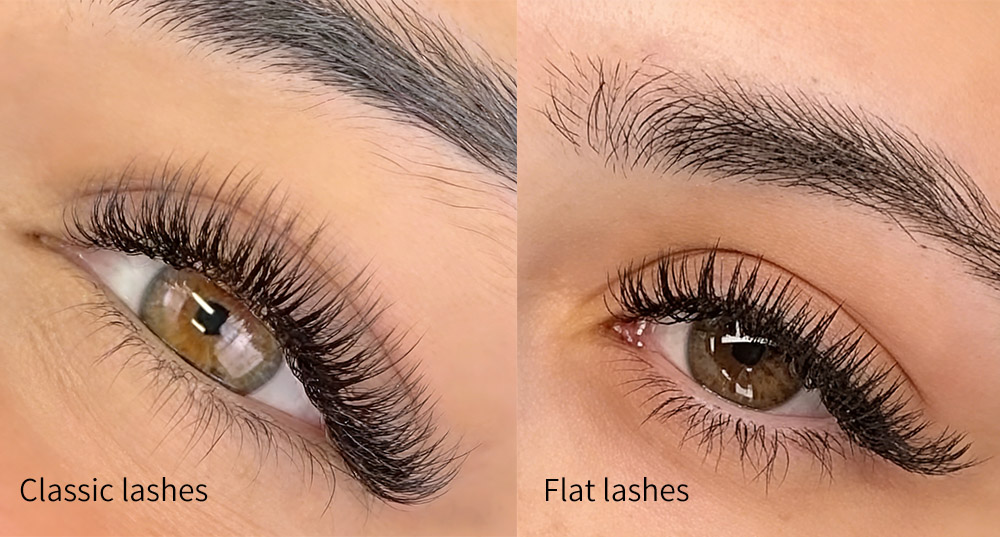
Despite these differences, both can be used for individual lash application.
Therefore, flat lashes are not necessarily traditional round classic lash products, but they can be used to create classic lash sets.
For a closer comparison of their fiber structures and practical differences, read our Flat Lashes vs. Regular Classic Lashes Guide.
Classic, hybrid, and volume lash extensions are three common approaches to professional lash enhancement. Their primary differences lie in how extension fibers are applied and how much additional density they can create.
| Feature | Classic Lashes | Hybrid Lashes | Volume Lashes |
|---|---|---|---|
| Application Technique | One extension per suitable natural lash (1:1) | Combination of individual extensions and volume fans | Multiple fine fibers arranged into a fan and applied to one suitable natural lash |
| Extension Structure | Individual lash fibers | Individual fibers and volume fans | Multi-fiber lash fans |
| Typical Appearance | Defined, separated, natural to mascara-like | A combination of individual definition and added fullness | Greater potential density, from soft volume to dramatic volume |
| Density Potential | Primarily determined by natural lash coverage and individual fiber appearance | Adds density through a combination of classic and volume applications | Can increase visible fiber density through multi-fiber fans |
Classic lashes are commonly chosen when the goal is to enhance the existing natural lash line with individually defined extensions. Hybrid sets combine classic-style individual extensions with volume fans, while volume sets use multiple finer fibers to create additional density.
However, the appearance of any set also depends on the selected fiber specifications, styling, and natural lash condition. Neither the technique name nor the number of fibers alone determines the final weight, comfort, or suitability of a lash set.
Classic lashes have two closely related meanings in the professional lash industry.
As a product category, they typically refer to traditional round individual lash extensions, commonly offered in diameters of 0.10 mm and above. As a professional service, classic lash extensions refer to the 1:1 application technique, in which one extension is applied to one suitable natural lash.
This distinction explains why traditional round lashes are commonly used for classic sets, while other individual fiber structures, including flat lashes, can also be suitable for the same application method.
For lash artists, understanding the relationship between fiber structure, diameter, and styling helps in selecting appropriate products for different classic lash looks. For lash brands and distributors, it provides a clearer basis for organizing traditional classic extensions alongside flat lashes and other specialized lash extension products.
Mega Beauty offers professional individual lash extension products in different fiber series, curls, lengths, and diameters for lash brands, distributors, and professional salons. Explore our Classic Lash Extensions Collection to find suitable products for your lash extension range.
Laoshan Road, Laoshan District, Qingdao City,Shandong Province
Copyright © 2025 Qingdao Mega Beauty Lashes Co., Ltd. All Rights Reserved.
