
Introduction
As eyelash extensions continue to grow in popularity worldwide, proper lash hygiene has become an essential part of both professional salon services and daily aftercare routines. One of the most widely used products in this process is lash shampoo. Lash shampoo is typically made of a water base, mild surfactants for gentle cleansing, moisturizers and conditioning agents to keep lashes soft, preservatives for product safety, and pH adjusters to ensure comfort around the sensitive eye area. These carefully selected ingredients work together to remove oils, dust, makeup residue, and environmental particles without irritating the eyes or damaging natural lashes.
For lash salons, lash technicians typically use lash shampoo before eyelash extension application to remove oils and residue around the eye area. For consumers, it is also a common aftercare product used at home to keep lashes clean.
Because lash shampoo is applied close to the eyes, its formulation must be extremely gentle while still providing effective cleansing performance. For lash brands, salons, and distributors, understanding what lash shampoo is made of is crucial when selecting reliable products or developing private label lash care lines. At the same time, for individual buyers and lash extension users, knowing the ingredients is equally important, as it helps them choose high-quality, eye-safe products that can effectively cleanse the lashes without causing irritation or damaging their lashes, skin, and eyes.
In this guide, we will explain:
·what lash shampoo is
·what ingredients are commonly used in lash shampoo
·how lash shampoo ingredients work
·how to choose a reliable lash shampoo supplier for wholesale or private label
Mega Beauty offers professional-grade lash shampoo for wholesale, providing plant-based, eye-safe formulas ideal for both salon use and private label solutions.
1. What Is Lash Shampoo
1.1 What Does Lash Shampoo Do
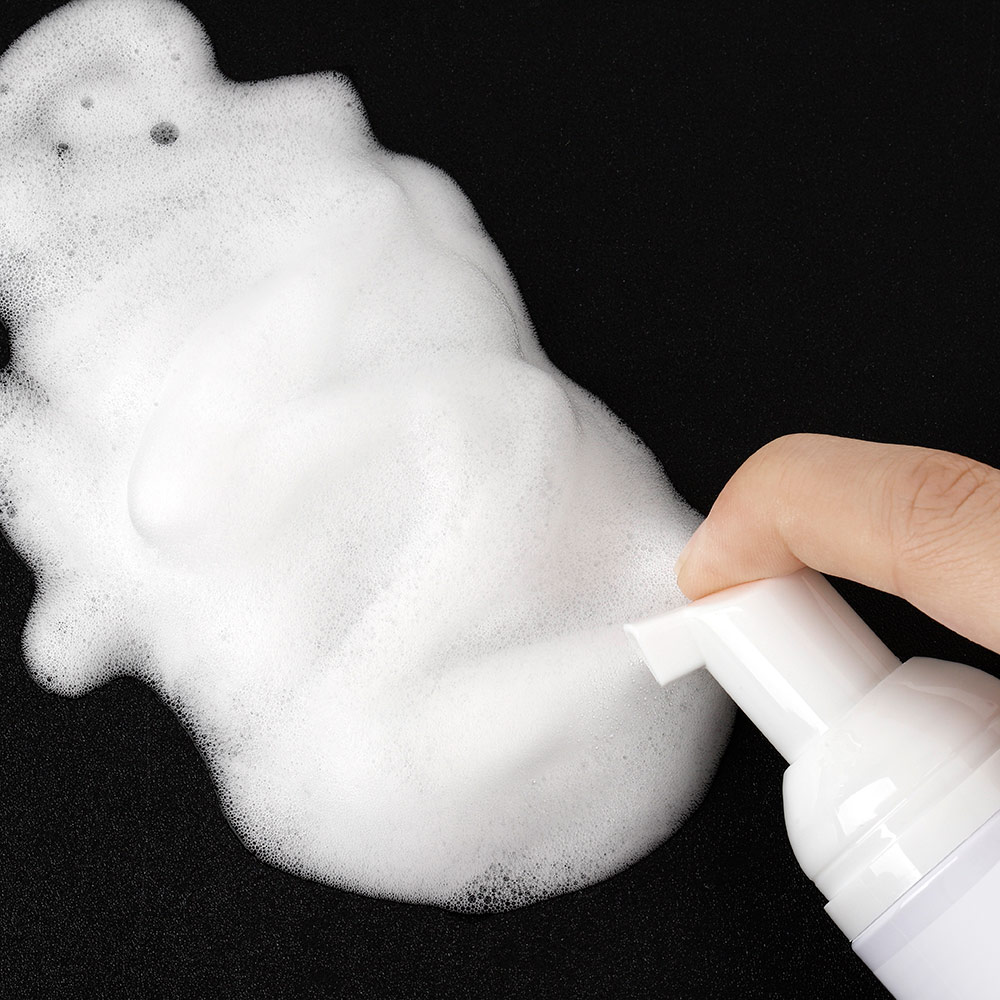
Lash shampoo is a specially formulated foaming cleanser designed to clean the eyelashes and the surrounding eye area. Its primary purpose is to remove:
·skin oils
·dust and debris
·cosmetic residue around the lashes
·protein buildup and environmental particles
Professional lash technicians often use lash shampoo during the pre-treatment stage before eyelash extension application. Removing oils and impurities helps create a clean surface, which allows lash adhesive to bond more effectively.
For consumers, lash shampoo is also used as part of a daily aftercare routine to keep lash hygienic.
It is important to note that lash shampoo is designed for gentle cleansing, not heavy makeup removal. While it can remove light cosmetic residue, it is not intended to replace makeup removers.
Lash shampoo is also commonly referred to as:
·lash foam
·lash bath
These terms are often used interchangeably in the lash industry.
1.2 Typical Lash Shampoo Ingredient Categories
Although different brands may have slightly different formulas, most professional lash shampoos contain several core ingredient categories.
Water Base
Water (Aqua) serves as the main solvent in lash shampoo formulas. It dissolves and distributes other ingredients evenly throughout the formula, creating a smooth and easy-to-apply texture.
A water-based formula also ensures the cleanser is lightweight, easy to rinse, and suitable for the sensitive eye area.
Mild Surfactants
Surfactants are the ingredients responsible for cleansing. They help remove oils, dirt, and residue from the lashes and skin while producing foam.
Professional lash shampoos typically use mild surfactants that are safe for the delicate eye area and compatible with eyelash extensions.
Humectants and Conditioning Agents
These ingredients help maintain moisture in the skin and lashes during the cleansing process.
They prevent the eye area from feeling dry after washing and help keep natural lashes soft and flexible.
Preservatives and Stabilizers
Because lash shampoo contains water, preservatives are necessary to prevent the growth of bacteria and mold.
These ingredients ensure the product remains safe and stable throughout its shelf life.
pH Adjusters
pH adjusters help maintain the formula at a mild acidity level similar to the skin’s natural pH. This helps reduce irritation and keeps the formula comfortable for the eye area.
2. Lash Shampoo Ingredients Explained (Example Formula)
To better understand what is inside a professional lash shampoo, let's take Mega Beauty’s lash shampoo as an example. Designed with gentle surfactants, moisturizers, and plant-derived ingredients, this formula demonstrates how high-quality ingredients work together to cleanse lashes safely and effectively.
Example ingredients:
Aqua, Sodium Lauroamphoacetate, Glycerin, Lauryl Glucoside, Decyl Glucoside, Jojoba Wax PEG-120 Esters, Cocamidopropyl Betaine, Phenoxyethanol, Citric Acid, Ethylhexylglycerin.
This type of formulation focuses on gentle cleansing, plant-derived ingredients, and eye-safe performance.
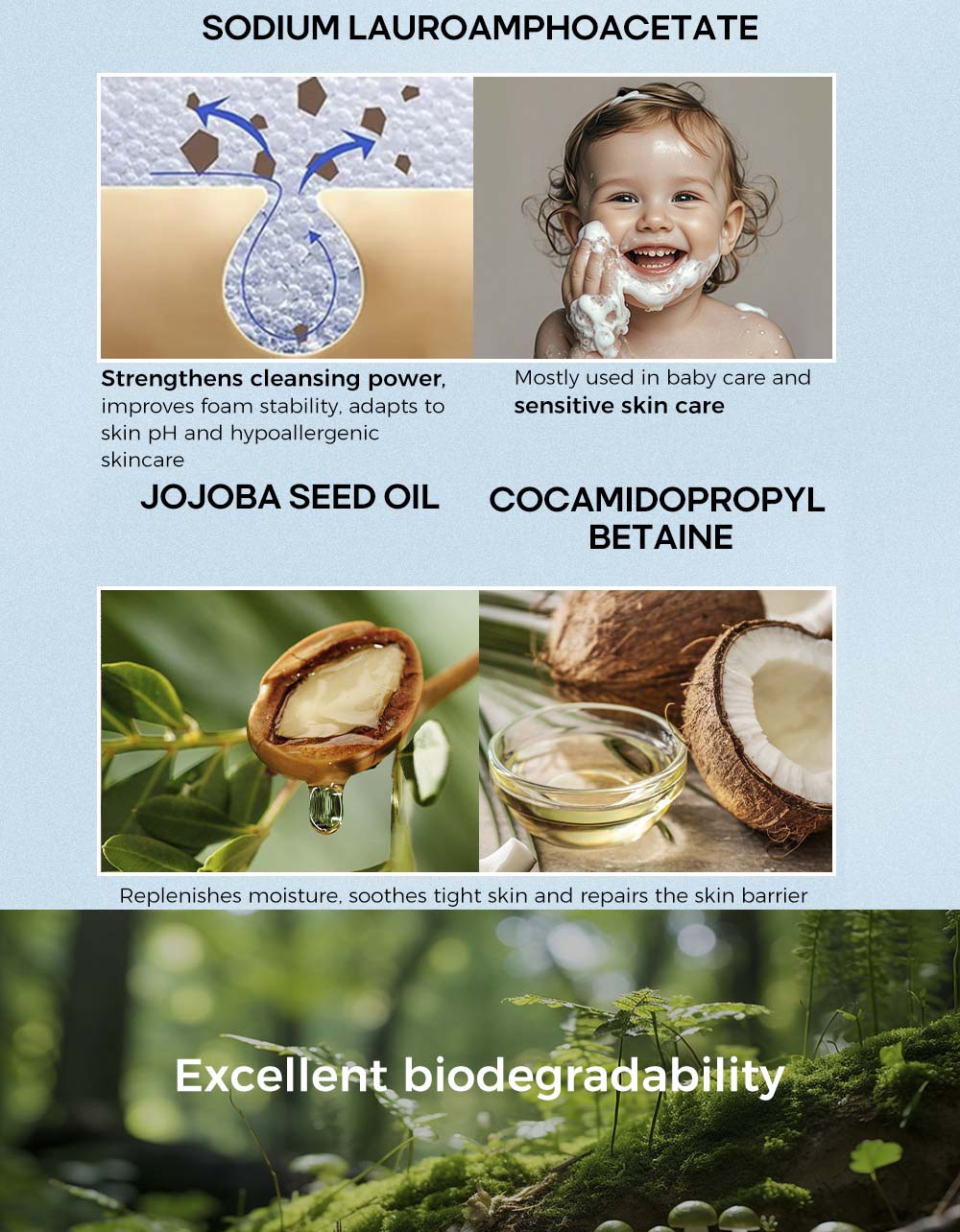
Aqua serves as the primary base of the formula. It dissolves and distributes all other ingredients and provides the fluid texture necessary for foam-based cleansers.
A water-based formula is lightweight and easy to rinse, making it ideal for products used around the eyes.
Sodium Lauroamphoacetate
This is an extremely mild amphoteric surfactant commonly used in sensitive skin cleansers and baby care products.
Its main functions include:
·gentle cleansing
·foam formation
·improving skin compatibility
Because of its mildness, it is well suited for lash shampoos used around the eye area.
Lauryl Glucoside
Lauryl Glucoside is a plant-derived surfactant made from natural sugars and coconut fatty alcohols.
Key benefits include:
·mild cleansing performance
·good foaming ability
·excellent skin compatibility
It is widely used in natural and eco-friendly cosmetic formulations.
Decyl Glucoside
Decyl Glucoside is another non-ionic surfactant derived from plant sugars.
It helps enhance the cleansing effect while remaining gentle on the skin. It also improves foam stability and contributes to a smooth, soft foam texture.
Cocamidopropyl Betaine
Cocamidopropyl Betaine is a mild surfactant derived from coconut oil.
It is commonly used to:
·enhance foam richness
·reduce irritation caused by stronger surfactants
·improve overall cleansing balance
This ingredient helps create the soft, creamy foam that many lash shampoos are known for.
Glycerin
Glycerin is a well-known humectant that attracts and retains moisture.
In lash shampoo formulas, glycerin helps:
·maintain skin hydration
·prevent dryness after cleansing
·keep lashes soft and flexible
This ensures the cleansing process does not leave the eye area feeling tight or dry.
Jojoba Wax PEG-120 Esters
This ingredient is derived from jojoba oil and acts as a conditioning and emulsifying agent.
It helps:
·stabilize the formula
·improve skin feel
·provide a light conditioning effect
Jojoba-based ingredients are known for their compatibility with skin and hair.
Phenoxyethanol & Ethylhexylglycerin
These ingredients form a widely used preservative system in modern cosmetics.
They help prevent microbial growth and ensure the product remains safe during storage and use.
This preservative system is commonly used as an alternative to harsher preservatives.
Citric Acid
Citric Acid is used as a pH adjuster.
It helps maintain the formula at a skin-friendly acidity level, ensuring the cleanser remains gentle and stable.
Overall Formula Advantages
Formulations built around these ingredients typically offer several advantages:
·alcohol-free formula
·plant-derived surfactants
·gentle cleansing suitable for the eye area
biodegradable ingredients with good environmental compatibility
Many high-quality lash shampoos are also developed with eco-friendly and biodegradable ingredients that meet OECD standards, meaning they have excellent biodegradability and low environmental toxicity.
Such formulations help reduce environmental impact while maintaining effective cleansing performance.
3. Production and Quality Control Standards
For lash brands and distributors purchasing lash shampoo wholesale, manufacturing standards are just as important as the formula itself.
Reliable manufacturers typically follow strict production standards such as:
·GMP certified manufacturing environments
·ISO quality management systems
·automated clean production lines
High-quality factories also implement full quality control procedures including:
Raw material testing → In-process quality control → Final product inspection.
Professional suppliers can also provide documentation such as:
·Raw material MSDS
·Raw material COA
·Finished product MSDS
·Finished product COA
These documents help ensure product safety and regulatory compliance in different markets.
Mega Beauty's lash shampoo is produced in GMP-certified, ISO-compliant automated cleanrooms, ensuring each batch meets strict quality standards. For brands looking to source lash shampoo wholesale or develop private label products, this level of quality control provides peace of mind and consistent product performance.
4. Popular Lash Cleansing Product Types
Different types of lash cleansing products are available in the market. Understanding their differences helps brands choose the most suitable products.
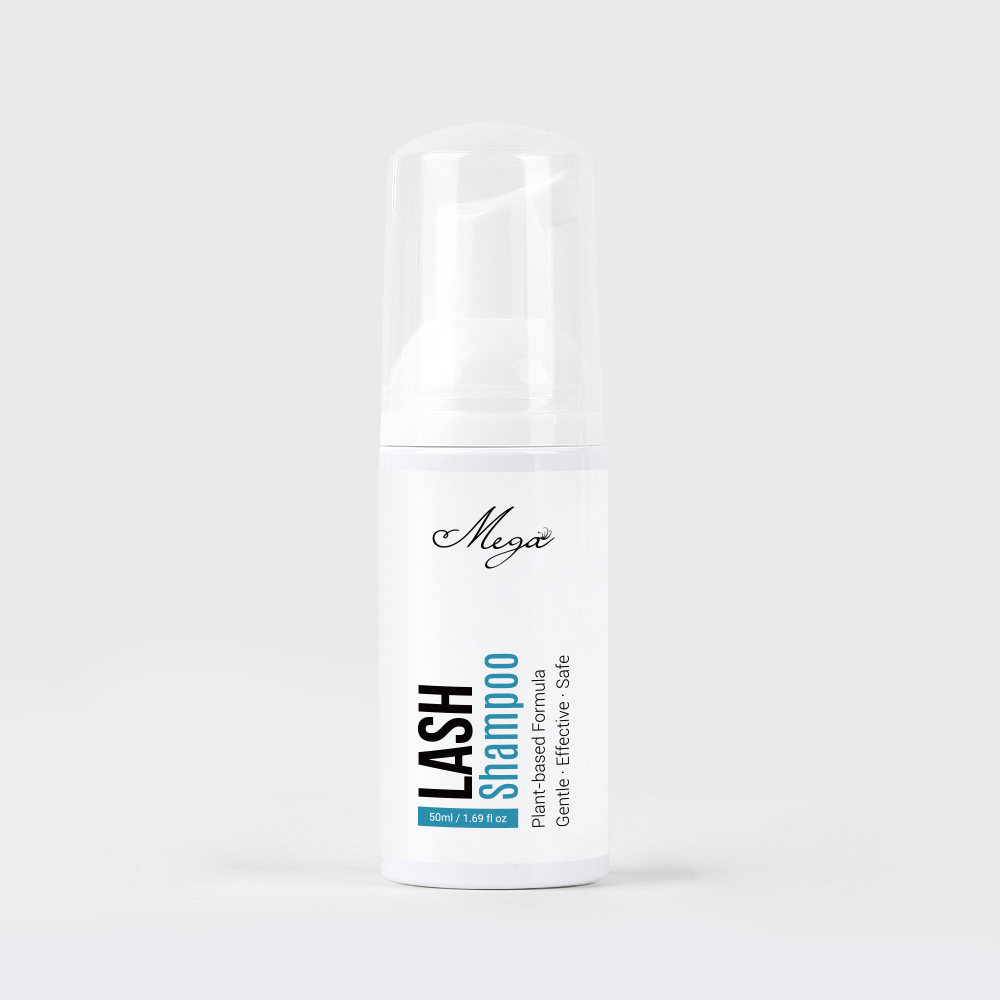
The most common type used by salons and consumers.
Features:
·ready-to-use foaming cleanser
·convenient pump bottle packaging
·suitable for daily lash hygiene
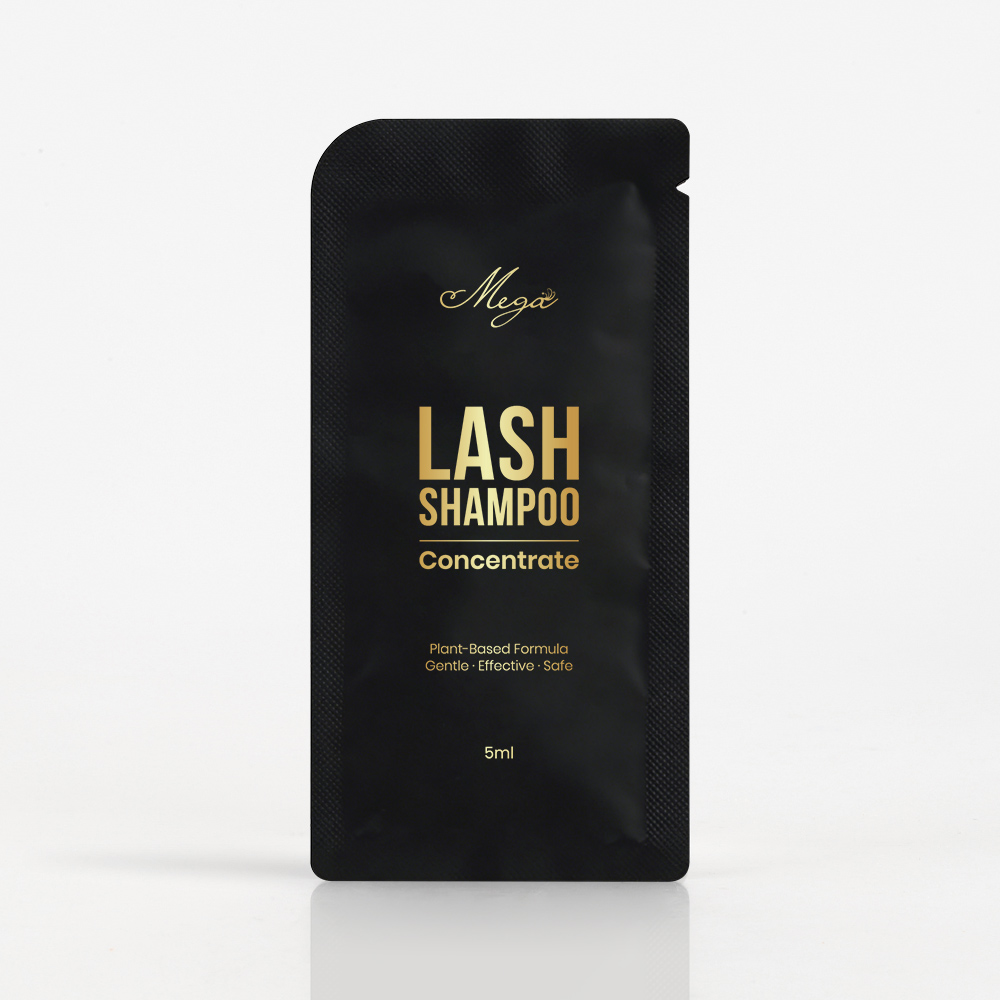
A concentrated formula that can be diluted before use.
Advantages:
·lower transportation costs
·flexible packaging options
·ideal for wholesale buyer and large salons
Cream Lash Shampoo
This product gained popularity for a period due to its rich foam texture.
However, it typically uses pressurized packaging with nitrogen gas, which may create challenges for international shipping due to transportation regulations.
Lash Cleanser
Lash cleansers are often milder products designed mainly for light cleansing and soothing purposes.
They usually have a gentler formula but may not be as effective in removing oils or cosmetic residues.
5. Lash Shampoo Wholesale and Private Label Opportunities
As the eyelash extension market continues to grow, many lash brands are expanding into aftercare products such as lash shampoo.
For wholesalers and private label buyers, lash shampoo offers several advantages:
·high repeat purchase rate
·strong demand from salons and consumers
·easy brand extension opportunity
Many manufacturers now offer lash shampoo wholesale and private label services, allowing brands to customize products based on their market positioning.
Customization options may include:
·fragrance options
·ingredient adjustments
·bottle sizes and packaging styles
·private label design and branding
Typical packaging volumes may include:
·40ml
·50ml
·60ml
·100ml
Private label packaging can also include customized bottles, labels, and retail-ready designs to help brands create a complete lash care product line.
With Mega Beauty’s lash shampoo, brands can customize fragrance, formula, packaging volume, and label design. Our lash foam wholesale and private label services make it easy to launch your own branded aftercare line with high-quality, plant-based products trusted by professional salons.
6. Lash Care Market Trends
The global lash industry continues to evolve, and lash aftercare products are becoming an increasingly important part of the market.
Several key trends are shaping the lash shampoo industry.
Clean Beauty Formulations
Consumers increasingly prefer formulas free from harsh ingredients such as alcohol and strong sulfates.
Plant-Based Ingredients
Plant-derived surfactants and natural ingredients are becoming more popular due to their mildness and environmental compatibility.
Sensitive Eye Formulas
Products designed for sensitive eyes are gaining popularity, especially among consumers who wear eyelash extensions regularly.
Growth of Private Label Lash Care
Many lash brands are expanding beyond lashes themselves and launching their own aftercare products, including lash shampoo, lash sealants, and lash serums.
Conclusion
Lash shampoo plays an essential role in both professional lash services and daily lash aftercare routines.
A high-quality lash shampoo formula typically contains:
a water base
·mild surfactants for cleansing
·moisturizing ingredients
·preservatives for stability
·pH balancing agents
Understanding what lash shampoo is made of helps lash brands and distributors choose safer, more effective products for their customers.
As demand for lash aftercare products continues to grow, lash shampoo wholesale and private label opportunities are becoming an attractive expansion for many beauty brands and lash suppliers.
Choosing the right lash shampoo is essential for both professionals and individual users. Mega Beauty offers lash shampoo wholesale and private label options that combine gentle, plant-derived ingredients with rigorous quality control, helping brands and consumers alike maintain healthy, beautiful lashes.
No.18 B, Laoshan Road, Laoshan District, Qingdao City,Shandong Province
Copyright © 2025 Qingdao Mega Beauty Lashes Co., Ltd. All Rights Reserved.
