
Lash lift and tint treatments and lash extensions are two popular professional services for enhancing the appearance of eyelashes. Although both can create more defined, attractive lashes, they work in fundamentally different ways and offer distinct results, application processes, and maintenance requirements.
A lash lift reshapes natural eyelashes to create a lifted, curled appearance, while lash tint adds darker color and definition. Lash extensions, on the other hand, involve attaching additional lash fibers to natural eyelashes to achieve greater length, volume, and styling flexibility.
Understanding lash lift vs lash extensions is important for clients choosing a treatment, salon professionals planning their services, and beauty brands developing professional lash product lines.
This guide compares lash lift and tint vs lash extensions in terms of appearance, longevity, treatment time, cost, safety, and maintenance, helping readers understand which option best suits different needs.
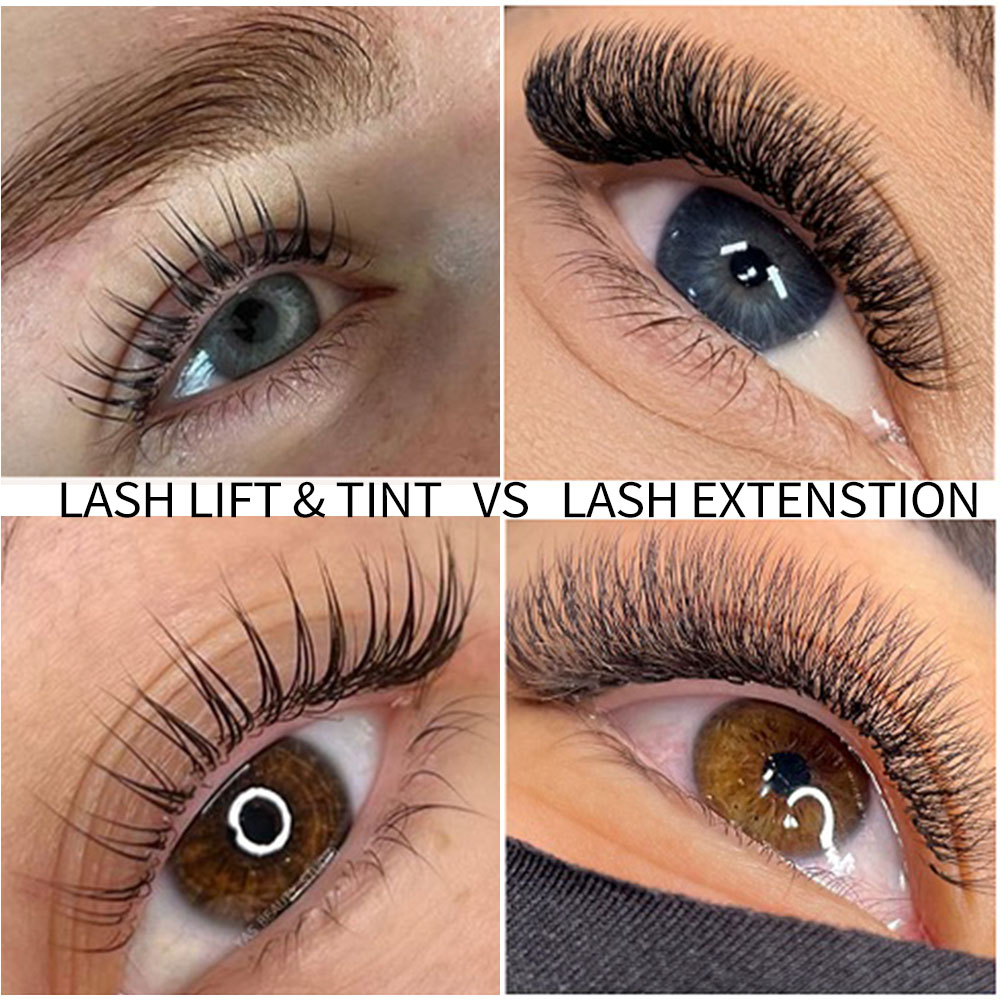
The main difference between a lash lift and lash extensions is how they enhance the appearance of natural eyelashes. A lash lift reshapes existing lashes to create a lifted, curled effect, while lash extensions add individual fibers or lash fans to create extra length, fullness, and customized styles.
Lash tint is an optional color-enhancing treatment that can be combined with a lash lift. It darkens natural lashes and improves definition without adding length or volume. Therefore, comparing lash lift and tint vs lash extensions involves the same fundamental distinction: enhancing natural lashes versus adding external lash fibers.
| Comparison | Lash Lift (with Optional Tint) | Lash Extensions |
|---|---|---|
| Main Purpose | Lift and curl natural lashes; optional tint enhances color and definition | Add length, fullness, and customized lash styles |
| Application Method | Reshape natural lashes using lifting and setting solutions; optional tint adds color | Attach individual extensions or lash fans to isolated natural lashes |
| Length Effect | Makes natural lashes appear longer without adding physical length | Adds visible length through additional fibers |
| Volume Effect | Enhances definition without increasing actual lash density | Creates additional fullness through lash fibers |
| Curl & Styling | Different lifting shields create variations in curl; results depend on natural lashes | Multiple curls, lengths, diameters, and lash mapping options |
| Color Options | Optional tint darkens natural lashes | Different lash fiber colors and combinations |
| Typical Results | Natural, lifted lashes with optional darker definition | Natural to dramatic, depending on the selected style |
| Treatment Time | Generally shorter; depends on the formulation and whether tinting is included | Generally longer, especially for full lash sets |
| Technical Skills | Shield selection, lash positioning, solution application, and processing control | Lash isolation, adhesive control, weight selection, and styling techniques |
| Maintenance | Generally no regular refill appointments | Regular refill appointments commonly required |
| Cost | Typically lower initial and ongoing service costs | Typically higher initial cost and recurring refill expenses |
| Main Products | Lifting and setting solutions, optional tint, shields, and application tools | Lash extensions, adhesives, tweezers, preparation and aftercare products |
The key takeaway: A lash lift enhances the curl and visibility of natural lashes, with tinting available for additional color definition. Lash extensions offer greater flexibility in length, volume, and styling, but generally require more application time and ongoing maintenance.
Neither option is universally better. The most suitable treatment depends on natural lash condition, desired results, lifestyle, and maintenance preferences.
A lash lift and tint is a professional treatment that enhances natural eyelashes through controlled reshaping and optional color application. Unlike lash extensions, it does not involve attaching additional fibers.
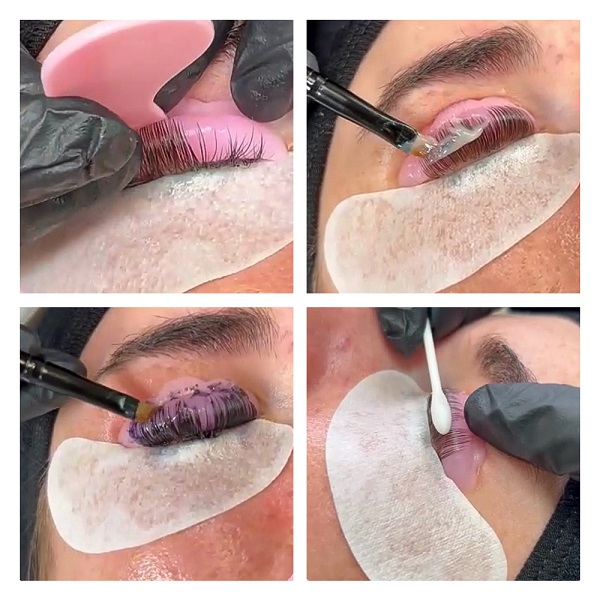
A lash lift is a chemical reshaping treatment designed to elevate and curl natural eyelashes from the root area. During the procedure, a lash technician positions the natural lashes on a silicone shield and applies specialized lifting and setting solutions to create and maintain the desired curl.
The selected shield size, lash positioning, formulation, and processing time all influence the final result. Different shield shapes can create softer, more natural lifts or more noticeable upward curls.
Because the treatment works with existing eyelashes, the results depend on the client's natural lash length, density, and condition.
For professional salons and beauty brands, different lash lift and brow lamination products provide options for treatment efficiency, formulation preferences, and service development.
Lash tint is a color-enhancing treatment that darkens natural eyelashes, making lighter lash tips and less visible fibers appear more defined.
When combined with a lash lift, tinting can create a more noticeable result without adding artificial lashes. However, lash tint does not physically increase lash length, thickness, or density.
Lash tint can also be performed as a separate service. Professional lash tint and brow stain products allow salons to offer color-enhancement services alongside lash lifting and other beauty treatments.
Lash extensions are a professional beauty treatment that involves attaching synthetic lash fibers to individual natural eyelashes to create additional length, volume, curl, and definition. Unlike a lash lift, which reshapes existing lashes, extensions add new fibers to achieve a wider range of customized lash looks.
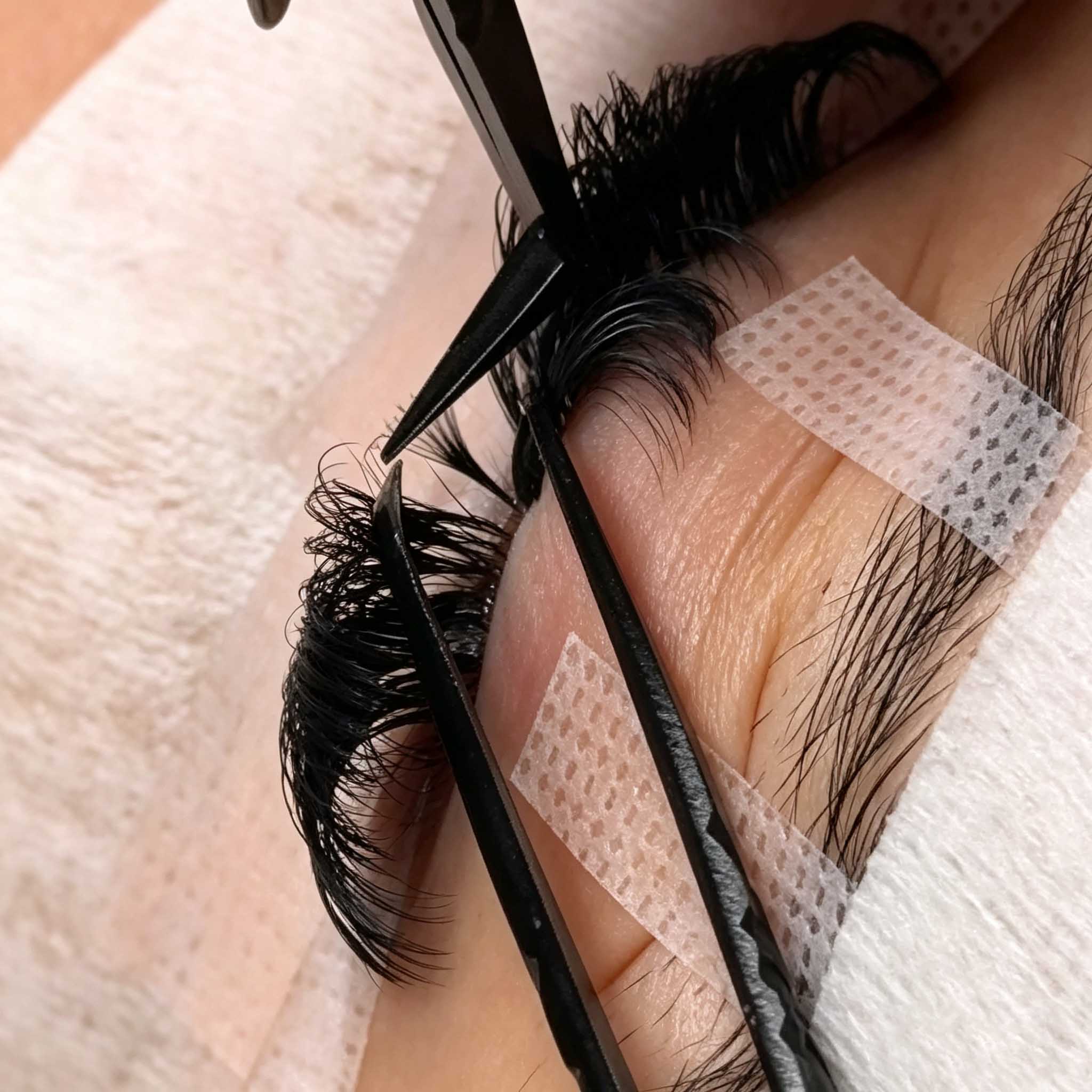
During the application, a trained lash artist isolates natural lashes and attaches individual extensions or premade lash fans using professional lash extension adhesive. The process requires appropriate lash selection, precise placement, and careful adhesive control to achieve comfortable, balanced, and consistent results.
Professional lash extension services typically include classic, hybrid, and volume techniques, offering effects ranging from subtle, natural-looking enhancement to fuller, more dramatic styles. By combining different lash lengths, curls, thicknesses, and mapping techniques, lash artists can customize the final appearance according to the client's eye shape, natural lash condition, and styling preferences.
Although both treatments enhance the eyes, their visual results differ considerably. A lash lift emphasizes existing natural lashes, while extensions provide greater control over length, density, and styling.
A lash lift can make natural lashes appear longer by directing them upward and making more of their existing length visible. However, it cannot extend lashes beyond their natural physical length or increase the number of lash fibers.
Lash extensions create additional visible length by attaching synthetic fibers to natural lashes. Different extension diameters, lengths, and fan configurations also allow lash artists to produce varying levels of fullness.
For clients with naturally long but straight lashes, a lash lift may provide sufficient enhancement. Those seeking significantly longer or fuller lashes may prefer extensions.
Both services can enhance the appearance of the eyes, but they offer different levels of styling flexibility.
Lash lifts use silicone shields to reshape natural eyelashes into a selected curl. The result depends on the natural lash growth direction, length, and condition.
Lash extensions provide additional styling control through different curls, lengths, and lash mapping techniques. Lash artists can emphasize specific areas of the lash line to create cat-eye, doll-eye, or other customized effects.
Lash lifts are particularly suitable for creating a natural, low-maintenance appearance. Adding tint can improve the visibility of lighter lashes and produce a more defined finish.
Lash extensions can also create natural-looking results, but they offer a broader styling range. Depending on the selected fibers and application technique, the final appearance can be subtle, wispy, fluffy, or dramatic.
The main distinction is that lash lifts enhance what is naturally present, while extensions allow lash artists to build additional length and fullness.
The longevity of lash treatments depends on natural lash growth cycles, application quality, aftercare, and individual characteristics.
A lash lift commonly maintains its visible effect for approximately 4–6 weeks, although results vary depending on natural lash growth and treatment conditions.
As new eyelashes grow and previously treated lashes naturally shed, the lifted appearance gradually becomes less uniform.
Lash tint may fade sooner than the lifting effect, depending on the tint formulation, cleansing habits, and natural lash characteristics.
Because lash lifts work with existing eyelashes, they generally do not require the regular refill appointments associated with extensions. Repeat treatments should be scheduled according to lash condition and professional product instructions.
Lash extensions gradually shed as the natural eyelashes to which they are attached complete their growth cycles.
Clients commonly schedule refill appointments approximately every 2–3 weeks to replace lost extensions and maintain a consistent appearance.
Retention varies according to adhesive performance, application technique, natural lash growth, environmental conditions, and aftercare habits.
Unlike a lash lift, extensions require ongoing maintenance to preserve their original fullness and styling.
When comparing lash lift vs lash extensions, the initial treatment is only one consideration. Appointment duration, technical requirements, aftercare, and ongoing maintenance also influence the overall service experience.
Lash lifts generally involve shorter appointments and lower initial service costs than a full set of lash extensions. However, the actual treatment time depends on the product formulation, natural lash characteristics, and whether tinting is included.
Professional lash lift systems can have different processing requirements. For example, Mega Beauty offers four lash lift formulation systems with processing times ranging from 15–30 minutes, providing options for different operational preferences, formulation characteristics, and service efficiency requirements.
These processing times do not represent the complete appointment duration, which also includes preparation, lash positioning, product removal, and any additional tinting steps.
Lash extension appointments generally take longer because individual natural lashes must be isolated and extensions carefully attached. Full-set applications are typically more time-intensive than routine refill appointments.
Both treatments require professional training, but the technical challenges are different.
For lash lifts, technicians must select suitable shields, arrange natural lashes correctly, apply solutions precisely, and control processing according to the product instructions and lash condition.
For lash extensions, technicians must isolate natural lashes, select appropriate extension weights and lengths, control adhesive application, and maintain consistent placement and styling.
Lash extension services generally involve more repetitive, precision-based placement work, while lash lifts require careful chemical processing and lash positioning.
Neither treatment should be considered risk-free or suitable for untrained application.
Lash lifts typically involve less ongoing maintenance because no additional fibers are attached. Clients generally follow product-specific aftercare instructions and allow the lifted effect to grow out naturally.
Lash extensions require more consistent attention to cleansing, handling, and refill schedules. Proper maintenance helps preserve their appearance and reduce unnecessary stress on natural lashes.
Although lash extensions may offer greater styling flexibility, repeated refill appointments usually make their long-term service costs higher than those of lash lifts.
For salons, this creates different service models: lash lifts may appeal to clients seeking lower-maintenance treatments, while extensions can support recurring refill appointments.
Both lash lifts and lash extensions can be performed professionally, but each involves different products and application risks. Appropriate training, product selection, and adherence to manufacturer instructions are essential.
Lash lifting solutions chemically reshape natural eyelashes. Incorrect processing time, unsuitable product application, or repeated treatment without adequate consideration of lash condition may contribute to dryness, brittleness, or lash damage.
Products used near the eyes may also cause irritation or allergic reactions in susceptible individuals.
Lash tinting introduces additional color formulations that require careful application and appropriate safety precautions. Even plant-based formulations may cause irritation or sensitivity.
Professional technicians should follow product instructions, assess lash condition, and observe applicable safety requirements before treatment.
Lash extensions involve adhesives and additional fibers attached to natural eyelashes.
Potential problems include irritation or allergic reactions to adhesive ingredients, discomfort from improper placement, and excessive stress on natural lashes when unsuitable extension lengths or weights are selected.
Poor isolation may also cause neighboring natural lashes to become attached to one another, creating tension as the lashes grow.
Correct application technique, appropriate fiber selection, and professional adhesive handling are important for minimizing these risks.
Neither lash lifts nor extensions are automatically safer for every client.
The suitability of each service depends on natural lash condition, individual sensitivities, product compatibility, and technician expertise.
Professionals should assess the eyelashes before treatment, avoid unnecessary overprocessing or excessive extension weight, and recommend appropriate aftercare.
Clients experiencing persistent irritation, swelling, or discomfort should discontinue the relevant products and seek appropriate professional medical advice.
The better option depends on the desired appearance, natural lash characteristics, maintenance expectations, and personal preferences.
Lash lift and tint may be a suitable option for clients who already have sufficient natural lash length and density but want improved curl and definition.
It is particularly appealing to those who prefer natural-looking results, shorter appointments, and less frequent maintenance.
Optional tinting can provide additional definition for clients with lighter natural eyelashes.
However, a lash lift cannot compensate for very sparse lashes by adding physical density or create the same dramatic length effects as extensions.
Lash extensions may be preferable for clients seeking greater length, fullness, or more customized lash styling.
They allow lash artists to adjust curls, lengths, diameters, and placement patterns to achieve different looks, from understated enhancement to dramatic volume.
Extensions are also suitable for clients who want a specific lash design that cannot be achieved through reshaping natural lashes alone.
However, clients should be prepared for longer application appointments, regular refills, and consistent aftercare.
Clients may switch between lash lifts and extensions, but the timing and suitability depend on their natural lash condition and the products previously used.
Recently lifted lashes may have a different curl or direction that can affect extension attachment and placement.
Similarly, natural lashes should be assessed after extension removal before another chemical treatment is performed.
Rather than applying both treatments without consideration, a trained professional should evaluate lash condition and follow the relevant product instructions when planning a transition.
For salons, distributors, and beauty brands, the comparison extends beyond the final appearance. Lash lift and tint services and lash extensions require different product categories, technician skills, and inventory planning.
Understanding these differences can help businesses develop professional lash portfolios that serve different customer preferences.
Lash lift services require lifting and setting formulations, silicone shields, application tools, and related preparation and aftercare products. Salons offering tinting also need suitable professional color products.
Different lash lift formulations may vary in processing requirements, operating efficiency, cost considerations, and formulation characteristics. Mega Beauty's four lash lift systems, for example, offer different options for professional service planning.
Lash extension services require a broader selection of lash fibers, curls, lengths, diameters, professional adhesives, tweezers, and preparation and aftercare products.
Salons and distributors developing extension services can explore wholesale lash extensions to build product assortments for different application techniques and styling demands.
Lash lifts and extensions require different technician training priorities.
Lash lift training focuses on shield selection, natural lash arrangement, solution application, and processing control. Adding tinting introduces additional color application procedures.
Lash extension training emphasizes isolation, adhesive handling, extension selection, styling, and refill techniques.
From a service-management perspective, lash lifts can support clients seeking relatively low-maintenance enhancement, while lash extensions provide opportunities for customized styling and recurring maintenance appointments.
Offering both services allows salons to address a broader range of client preferences without positioning one treatment as a direct replacement for the other.
For beauty brands and wholesale distributors, lash lifts, lash tints, and lash extensions represent complementary professional product categories.
A comprehensive product portfolio can include lash lift systems, professional tint formulations, classic and volume extension fibers, premade fans, adhesives, and related tools.
Product selection should consider treatment compatibility, formulation requirements, technician experience, market positioning, and consistent quality across product batches.
As a professional eyelash manufacturer, Mega Beauty provides wholesale lash products and OEM/ODM private label solutions for beauty brands, distributors, and salon businesses.
By combining multiple professional lash categories with customized branding and packaging, businesses can develop product collections that support different salon services and customer segments.
A lash lift may be better for clients who prefer natural-looking results, shorter appointments, and lower maintenance. Lash extensions are generally better for those seeking additional length, volume, or more customized styles. The best choice depends on natural lash condition and desired results.
Lash lift and tint treatments generally have lower initial and ongoing service costs than lash extensions. Extensions often require longer initial appointments and recurring refill services, increasing long-term maintenance expenses. Actual costs vary by salon and treatment requirements.
A lash lift commonly remains visible for approximately 4–8 weeks as treated lashes gradually grow out. Lash extensions can remain attached until their natural lashes shed, but regular refills are commonly scheduled every 2–3 weeks to maintain fullness. The comparison depends on whether longevity refers to the remaining treatment effect or the appearance of a complete lash set.
Not necessarily. Lash lifts involve chemical reshaping, while extensions involve adhesives and additional fiber weight. Either treatment can cause problems if products are unsuitable or applied incorrectly. Professional assessment, correct techniques, and appropriate aftercare are important for both services.
A lash lift can provide an alternative for clients who want more visible curl and definition without adding lash fibers. However, it cannot create additional physical length or density. Clients seeking significant volume or dramatic styling may still prefer lash extensions.
The key difference between lash lift and tint vs lash extensions is the method of enhancement.
Lash lifts reshape natural eyelashes, while optional tinting adds darker color and definition. Together, they provide a natural-looking result with relatively low maintenance.
Lash extensions add synthetic lash fibers, creating greater flexibility in length, fullness, curl, and customized styling. However, they generally involve longer application appointments and more frequent maintenance.
For clients, the decision depends on natural lash characteristics, preferred appearance, lifestyle, and maintenance expectations.
For salons and beauty brands, both treatments offer valuable opportunities to serve different customer needs. A professional product portfolio that includes lash lift systems, lash tint formulations, and lash extensions can support a wider range of services and market preferences.
Laoshan Road, Laoshan District, Qingdao City,Shandong Province
Copyright © 2025 Qingdao Mega Beauty Lashes Co., Ltd. All Rights Reserved.
